Clearing Up 5 Misconceptions About Septic Systems
Septic systems are often misunderstood by homeowners, leading to a range of misconceptions about their functionality, maintenance, and long-term impact. Understanding these underground waste treatment structures is crucial for residential property owners, as proper management can ensure efficient operation and prevent costly remediation efforts. Misunderstandings frequently arise from a simple lack of visibility, as the entire setup functions beneath the surface of the lawn.
By exploring the realities of modern wastewater management, property owners can transition from passive operators to informed stewards of their residential infrastructure. Ultimately, shedding light on how these systems actually function helps communities maintain cleaner groundwater and more efficient utility management while empowering individuals to make smart choices regarding their daily water habits. Gaining a complete perspective on these utilities allows families to protect both their home investments and the surrounding landscape for years to come.
1. Maintaining System Longevity
Wastewater management structures are not maintenance-free utilities that function indefinitely without human intervention. Regular upkeep is essential to ensure their efficient operation and to prevent sudden, catastrophic system failures. A well-maintained setup can last for decades, providing reliable and independent waste management for a household. Maintenance typically involves scheduling regular professional assessments, pumping the tank every few years, and ensuring that all mechanical components are functioning exactly as intended.
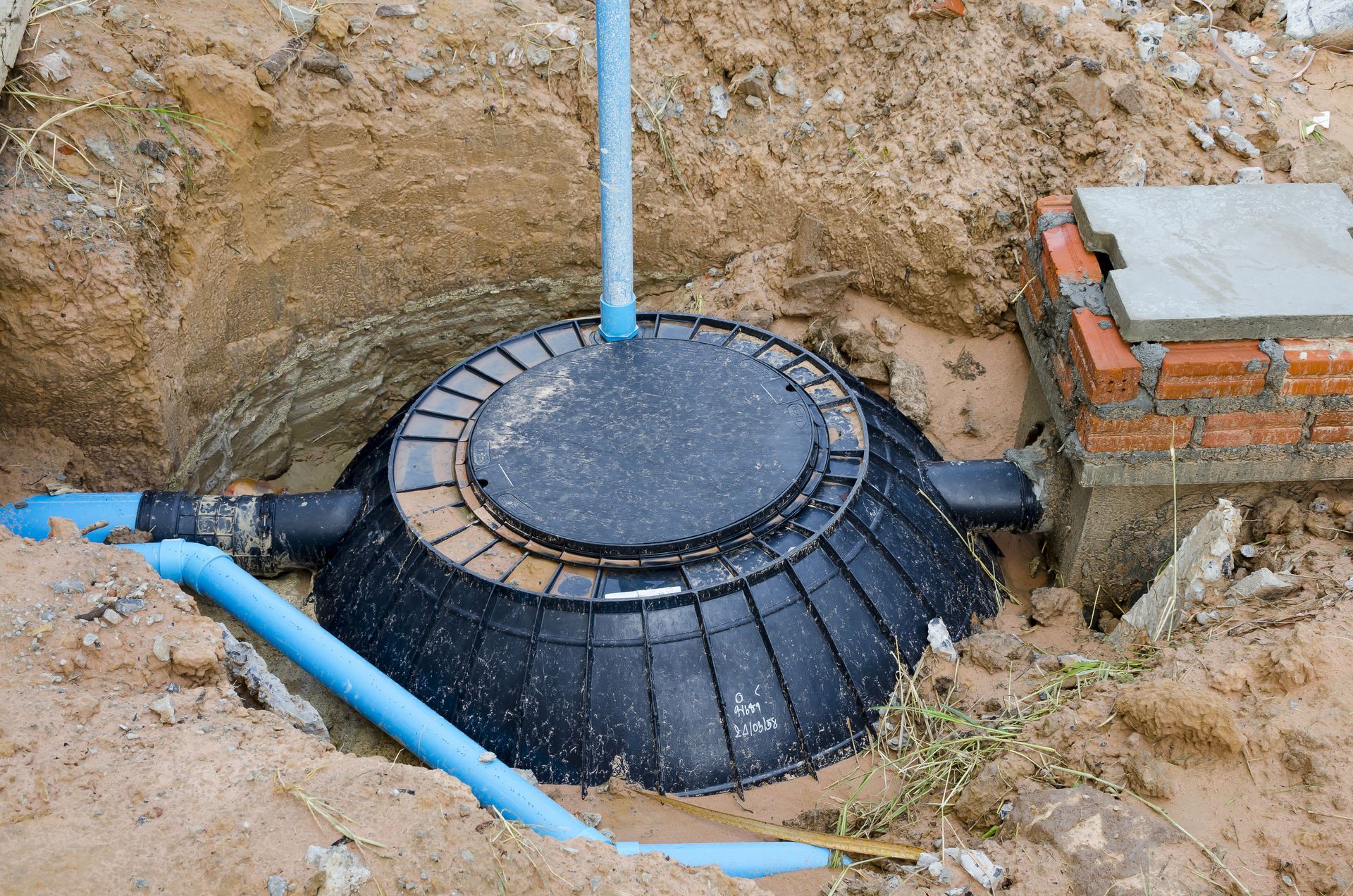
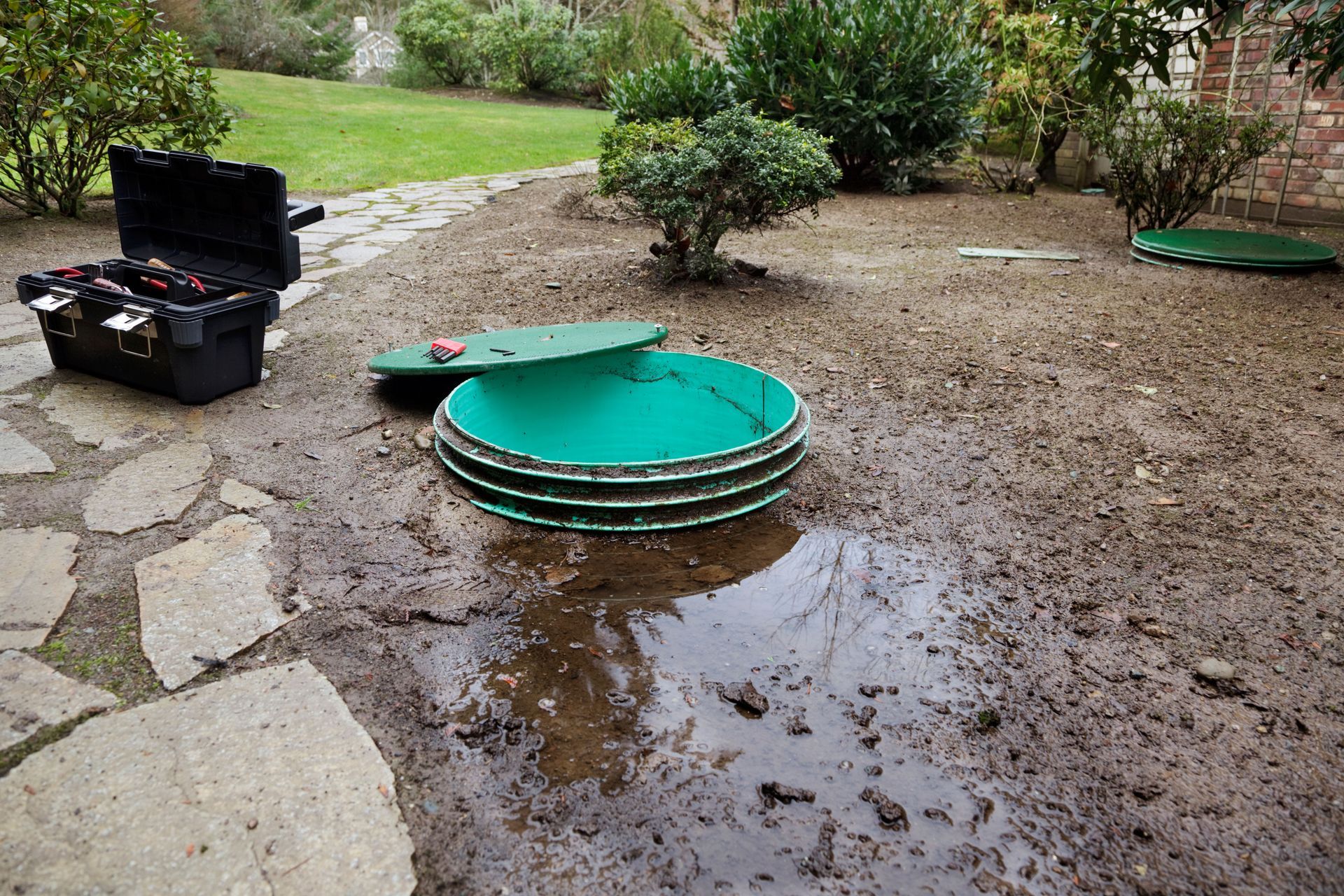
Neglecting these tasks can lead to severe blockages, messy backups, and potential health hazards for the entire neighborhood. Property owners should remain highly aware of the signs that indicate their wastewater setup needs immediate professional attention. Slow drains, gurgling sounds in the household plumbing, and foul odors near the drain field are common indicators of potential issues that require a specialist. Additionally, lush patches of grass over the tank or absorption area can signal hidden leaks or underground overflows. Addressing these signs promptly can prevent minor issues from becoming major financial liabilities. Proactive septic installation and routine monitoring ensure the home infrastructure remains in good condition for generations. Committing to a consistent schedule prevents unexpected emergencies and keeps the entire household running smoothly.
2. Controlling Waste Inputs
One common misconception is that residential waste systems can handle any material that is flushed down the toilet or rinsed down the kitchen sink. In reality, only human waste and standard toilet paper should ever be introduced into the plumbing. Non-biodegradable items such as disposable wipes, feminine hygiene products, and diapers can cause severe blockages and permanently damage the internal components. It is important to educate all household members about what can and cannot be flushed to prevent emergency plumbing visits.
Proper waste disposal practices are absolutely crucial for maintaining a heavy-duty infrastructure over time. Flushing non-biodegradable products can have a significant impact on wastewater treatment performance, as these items do not break down naturally and can clog critical pipes. Over time, they accumulate in the primary chamber, reducing its capacity and overall efficiency, which results in the need for more frequent pumping. Regular inspections can also provide peace of mind, knowing that the system is operating safely and effectively. According to This Old House, septic tanks can typically hold more than 1,000 gallons of waste, highlighting the importance of regular check-ups to prevent overflow. Establishing strict household guidelines regarding what goes down the drain safeguards the internal mechanics from premature wear.
3. Modernizing Domestic Technology
Contrary to popular belief, independent waste systems are not outdated remnants of past generations. In recent years, there have been significant advancements in their engineering, design, and overall functionality. Modern systems are highly efficient and environmentally friendly, frequently incorporating features such as advanced multi-stage filtration and forced aeration. These innovations enhance the natural ability to treat waste and protect the surrounding environment.
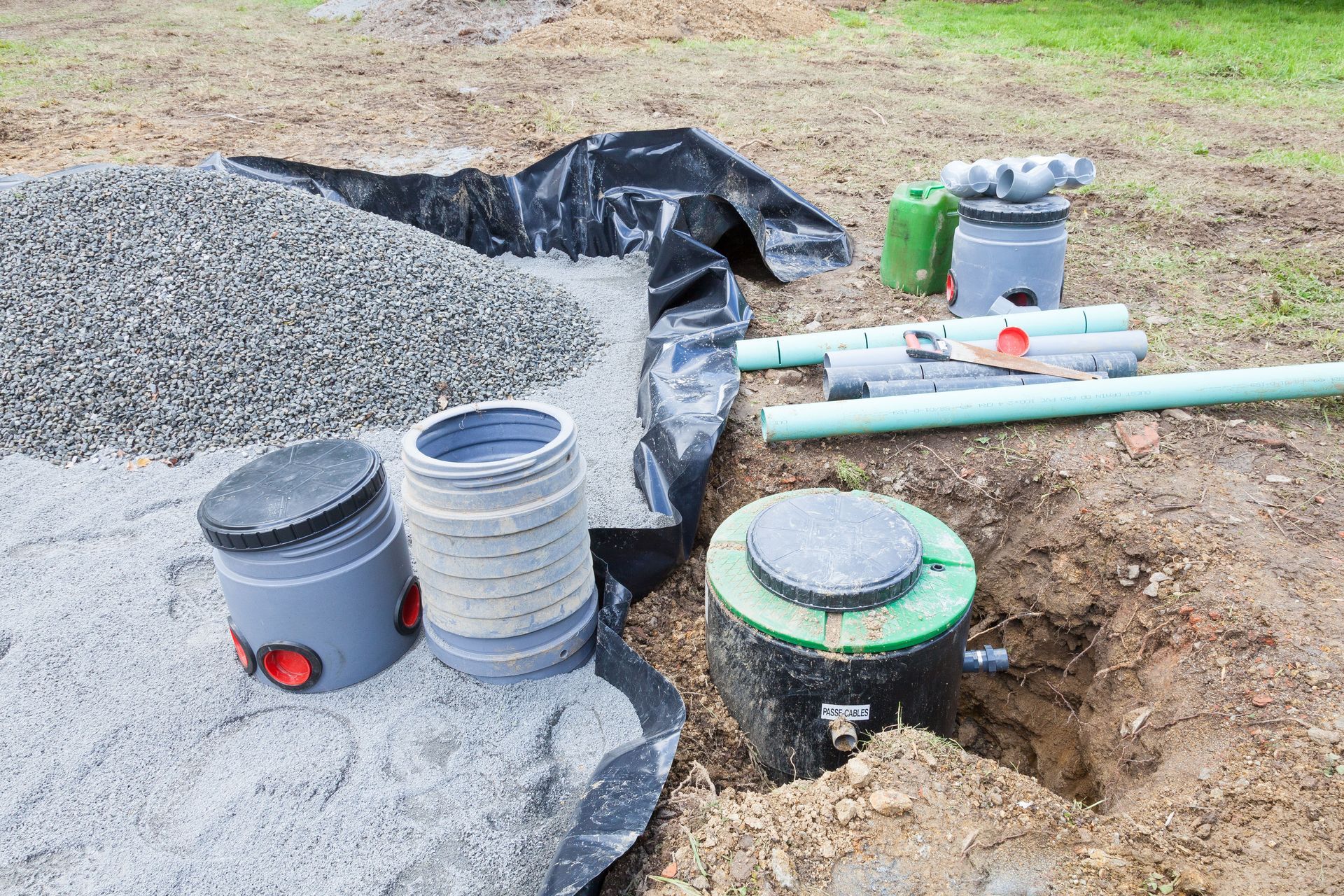
By staying informed about the latest developments, property owners can benefit from a professional septic installation that utilizes cutting-edge components. Modern independent systems offer several environmental benefits compared to massive, centralized municipal sewage networks. They reduce the risk of widespread contamination by treating waste on-site, minimizing the impact on local rivers and regional water sources. Additionally, they promote sustainable living by safely recycling water through natural filtration processes in the soil. These setups can also be customized to suit specific soil types and environmental conditions, further enhancing their eco-friendliness. By investing in modern technological designs, homeowners actively contribute to a healthier local ecosystem. Upgrading to these contemporary models represents a forward-thinking choice for responsible property management.
4. Enhancing Property Value
There is a persistent belief in the real estate market that independent waste systems automatically devalue residential properties, but this is simply not the case. In many instances, a fully certified and well-maintained setup can enhance property value by providing efficient and reliable waste management. Additionally, properties utilizing these systems often have lower monthly utility costs, which can be highly attractive to potential buyers. It is important to dispel the myth that these setups are a detriment to property worth, as documentation of proper care can change buyer perception entirely. Real estate professionals recognize the inherent value of well-documented independent wastewater systems.
They understand that these configurations can offer long-term cost savings and excellent environmental benefits to modern homeowners. When evaluating properties, real estate agents often consider the condition and age of the current configuration as part of their comprehensive market assessment. A properly functioning setup can be a major selling point, particularly in areas where municipal sewage services are completely unavailable. Working with knowledgeable professionals helps sellers highlight the advantages of their existing septic installation. Keeping detailed service records offers clear verification to buyers that the home infrastructure has been flawlessly preserved.
5. Protecting Local Ecosystems
Independent wastewater systems are engineered specifically to protect regional water sources from chemical and biological contamination. They treat wastewater safely on-site, allowing it to percolate through engineered soil layers that naturally filter out dangerous pollutants. This biological process helps prevent harmful substances from ever reaching groundwater tables and surface streams. When properly managed, these systems effectively safeguard regional water quality and support overall environmental health.
Understanding this role in protecting water sources is crucial for dispelling misconceptions about localized ecological degradation. Strict regional regulations and standards govern the engineering and placement of these systems to ensure absolute environmental protection. These regulations dictate the specific design, geographic placement, and seasonal operation of systems to prevent pollution and health risks. Compliance with these standards is essential for maintaining operational effectiveness and protecting public health. Homeowners should always remain aware of local environmental regulations and work exclusively with licensed professionals to ensure compliance. Adhering to these standards allows independent systems to provide safe, reliable waste management indefinitely without harming nature. Following these legal guidelines keeps the surrounding neighborhood safe and clean for everyone.
In conclusion, understanding and addressing the various misconceptions about residential wastewater systems is crucial for their effective long-term operation. Regular professional inspections, proper waste disposal habits, and adherence to environmental regulations can ensure the longevity and efficiency of these vital systems. By debunking common myths and promoting informed maintenance, homeowners can protect their infrastructure, enhance property values, and contribute to environmental sustainability. Proper planning and professional
septic installation remain the absolute foundation of a healthy, independent home. When it comes to managing your household utilities, relying on certified expertise is the best way to secure your investment and protect your family. Contact Pauley Co Inc today to schedule a comprehensive assessment, explore your modernization options, or receive guidance on your next certified septic installation. We look forward to partnering with you for all your long-term property needs. Taking action now guarantees that your domestic utilities remain dependable and resilient through every season.
Share On: