7 Important Factors to Consider Before Hiring Excavation Services
Excavation is one of the most important early steps in construction and land development projects. Whether you are preparing land for a new home, installing underground utilities, grading a property, or creating space for landscaping improvements, proper excavation sets the stage for everything that follows. Because this type of work involves heavy machinery, precise measurements, and a strong understanding of soil conditions, choosing the right contractor is a decision that should be made carefully.
Hiring professional excavation services is not simply about digging into the ground. A qualified contractor must evaluate the property, understand drainage patterns, follow safety protocols, and coordinate with other professionals involved in the project. Mistakes during excavation can lead to structural issues, water drainage problems, delays, or unexpected expenses later in construction.
Financial considerations also play a role in excavation work. According to IBISWorld, purchases typically make up about 36% of the costs of an excavation contractor, reflecting the significant expenses associated with equipment, materials, and operational requirements. These costs highlight why it is important to work with contractors who manage resources efficiently and maintain reliable equipment.
Before committing to a contractor, it is helpful to understand the factors that separate experienced professionals from less reliable providers. Asking the right questions and evaluating a company's qualifications can help protect your investment and reduce project risks. In this article, we will explore seven important factors to consider before hiring excavation services so you can approach your project with confidence.
1. Experience and Industry Knowledge
Experience is one of the most valuable qualities an excavation contractor can offer. Excavation work often involves unpredictable variables such as soil composition, underground utilities, and drainage challenges. Contractors with years of experience are better equipped to anticipate these issues and adapt their approach when necessary.
Experienced professionals understand how to evaluate site conditions and determine the most effective excavation methods for each project. They also know how to coordinate with other contractors, such as builders, plumbers, or utility companies, to keep the project moving forward smoothly.
When researching excavation services, it is helpful to ask about previous projects similar to yours. Contractors who have handled residential foundations, utility trenching, land clearing, or grading projects will likely have a broader understanding of the techniques required to complete the job safely and efficiently.
2. Proper Licensing and Insurance
Excavation projects involve significant safety risks due to heavy equipment operation and deep groundwork. For this reason, it is essential to confirm that any contractor you hire has the proper licensing and insurance coverage.
Licensing requirements vary depending on the state or municipality, but licensed contractors typically meet certain training and regulatory standards. Hiring a licensed professional helps confirm that the contractor is familiar with local construction codes and industry practices.
Insurance coverage is equally important. Excavation contractors should carry liability insurance and workers' compensation insurance. Liability insurance protects property owners if accidental damage occurs during the project, while workers' compensation provides coverage for employees who may be injured on the job. Verifying these credentials before hiring excavation services helps reduce financial and legal risks associated with the project.
3. Equipment Quality and Maintenance
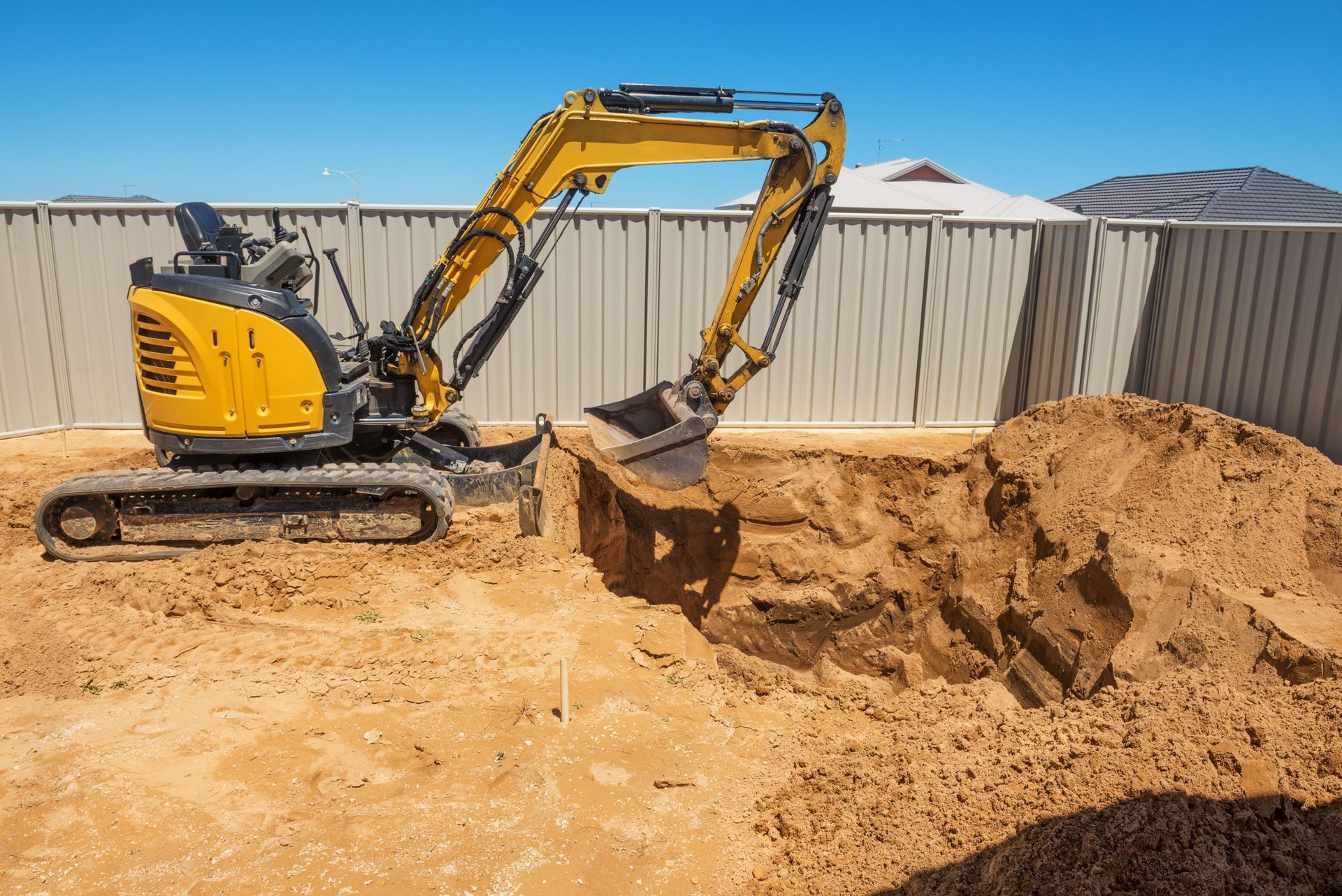
The equipment used for excavation work plays a major role in the efficiency and accuracy of the project. Excavators, bulldozers, trenchers, and grading machines must be properly maintained to perform reliably and safely.
Contractors who invest in modern equipment often have an advantage when it comes to completing projects efficiently. Advanced machinery can improve precision, reduce fuel consumption, and allow operators to complete tasks more quickly.
In addition to equipment quality, regular maintenance is critical. Poorly maintained machinery can break down during the project, leading to delays and additional costs. Reputable excavation services take pride in maintaining their equipment to reduce the likelihood of unexpected problems. When discussing your project with potential contractors, asking about their equipment and maintenance practices can provide insight into how prepared they are to handle your job.
4. Understanding of Local Regulations and Permits
Excavation projects often require permits or inspections from local authorities. These requirements may vary depending on the scope of the project and the location of the property.
For example, digging near utility lines, installing drainage systems, or preparing land for new construction may require specific approvals. Failing to obtain the proper permits can lead to fines, project delays, or complications during later stages of construction.
Experienced excavation services typically understand the permitting process and can guide property owners through the necessary steps. They may assist with site surveys, documentation, or coordination with local building departments. Working with a contractor familiar with local regulations helps confirm that your project meets legal requirements and progresses without unnecessary interruptions.
5. Site Evaluation and Soil Conditions
Every property has unique characteristics that influence how excavation work should be performed. Soil type, slope, drainage patterns, and underground obstacles can all affect the excavation process.
Before beginning work, reputable contractors conduct a thorough site evaluation. This assessment may involve soil testing, property measurements, and identifying potential hazards such as buried utilities or unstable ground conditions.
Understanding soil conditions is especially important when preparing land for foundations, drainage systems, or retaining walls. Certain soil types may require additional preparation or stabilization before construction can proceed. Contractors who carefully evaluate the site are better equipped to create an excavation plan that addresses these factors. This level of preparation helps prevent structural issues and drainage problems later in the project.
6. Safety Practices and Risk Management
Safety is a critical aspect of any excavation project. Deep trenches, heavy machinery, and uneven terrain can create hazardous working conditions if proper precautions are not taken.
Professional excavation services follow strict safety guidelines designed to protect workers and property owners. These guidelines often include marking underground utilities, installing trench supports, and establishing safe work zones around equipment.
Contractors should also provide training for their crews and follow safety standards established by organizations such as the Occupational Safety and Health Administration (OSHA). Safety protocols help prevent accidents and protect everyone involved in the project. When evaluating contractors, asking about their safety practices can provide reassurance that they prioritize responsible work procedures and risk management.
7. Transparent Pricing and Detailed Estimates
Cost is always an important consideration when hiring excavation services. However, it is important to look beyond the initial price and evaluate the details included in the contractor's estimate.
A detailed estimate should clearly outline the scope of work, equipment usage, labor costs, and any additional services that may be required. This transparency helps property owners understand how project costs are calculated and prevents misunderstandings later in the process.
Some excavation projects may involve additional expenses related to soil removal, grading adjustments, or permit fees. Contractors who provide thorough estimates help property owners plan their budgets more effectively. Comparing estimates from multiple contractors can also provide valuable insight into industry pricing and help you choose a contractor who offers both quality service and fair pricing.
Excavation is a foundational step in construction and property improvement projects. The quality of excavation work can directly influence the stability, drainage, and long-term success of the structures that follow. Because of this, choosing the right contractor is one of the most important decisions a property owner can make during the planning process.
By considering factors such as contractor experience, licensing, equipment quality, regulatory knowledge, site evaluation, safety practices, and transparent pricing, you can make a more informed decision when selecting excavation services. Taking the time to evaluate these elements helps reduce risks and supports a smoother construction process.
If you are planning a project that requires excavation work, partnering with experienced professionals can make a significant difference in the outcome. Contact Pauley Co Inc today to discuss your project goals, receive a detailed estimate, and take the first step toward a successful construction project.
Share On: